
- Home
-
About Us ▼
About the PracticeAbout Dr. Amit Kumar BHMS qualification & practice backgroundAbout Homeopathy Principles of individualized holistic careAbout Dr. CFS Hahnemann Founder of homoeopathic medicineClinic PhilosophyClinic Values Patient respect & medical responsibilityBook via WhatsApp
Online Consultation
Book a dedicated WhatsApp appointment with Dr. Amit Kumar.
-
Services ▼
Primary CareView All Services → Explore all consultation formats & optionsGeneral Consultation Initial full health case takingAcute Consultation Targeted short term symptom careChronic Consultation Long term recurring health assessmentSpecialized CarePediatric Consultation Gentle care for children & teensWomen's Health Focused wellness across life stagesGeriatric Consultation Gentle senior mobility & health careLifestyle & RemoteOnline WhatsApp Remote consultation appointmentsFollow-up Consultation Review & ongoing case evaluationLifestyle & Wellness Preventive stress & sleep balanceView All Services
All Clinical Services
Explore full consultation formats & appointment options.
-
Conditions ▼
Skin & Respiratory CareView All Conditions → Browse complete list of health concerns treatedSkin Conditions Eczema, acne & chronic dermatological careAllergic Rhinitis Nasal allergies & sneezing sensitivityRespiratory Health Bronchial & mucosal symptom assessmentHair & Scalp Care Scalp health & thinning evaluationsChronic & Lifestyle HealthDigestive Wellness Acidity, IBS & gut balance careJoint & Mobility Joint stiffness & mobility supportStress & Emotional Wellness Mind-body balance & sleep healthChronic Fatigue Vitality recovery & fatigue supportView All Conditions
Explore All Conditions
Comprehensive individual case evaluation for varied health concerns.
-
Articles ▼
Articles LibraryView All Articles → Explore full educational health article libraryHealth Articles Medical guidance & educational articlesFeatured Clinical Guide In-depth homoeopathic principles guideAuthor LibraryView All Articles
View All Articles by Dr. Amit Kumar
Explore the complete educational health library authored by Dr. Amit Kumar (BHMS).
Latest ArticleRead Latest ArticleUnderstanding Homoeopathic Principles
Constitutional care, individualization, and holistic health case taking.
- Contact
- Appointment
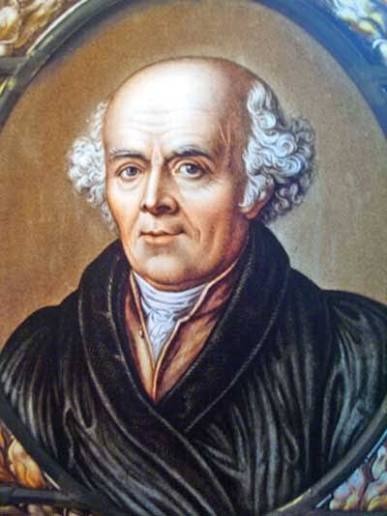 Dr. Christian Friedrich Samuel Hahnemann